




What is the waterproof performance of PVDF waterproof membrane?
 Jun 11, 2025|
 Hey there! As a supplier of PVDF waterproof membranes, I often get asked about the waterproof performance of these membranes. So, I thought I'd take some time to break it down for you all.

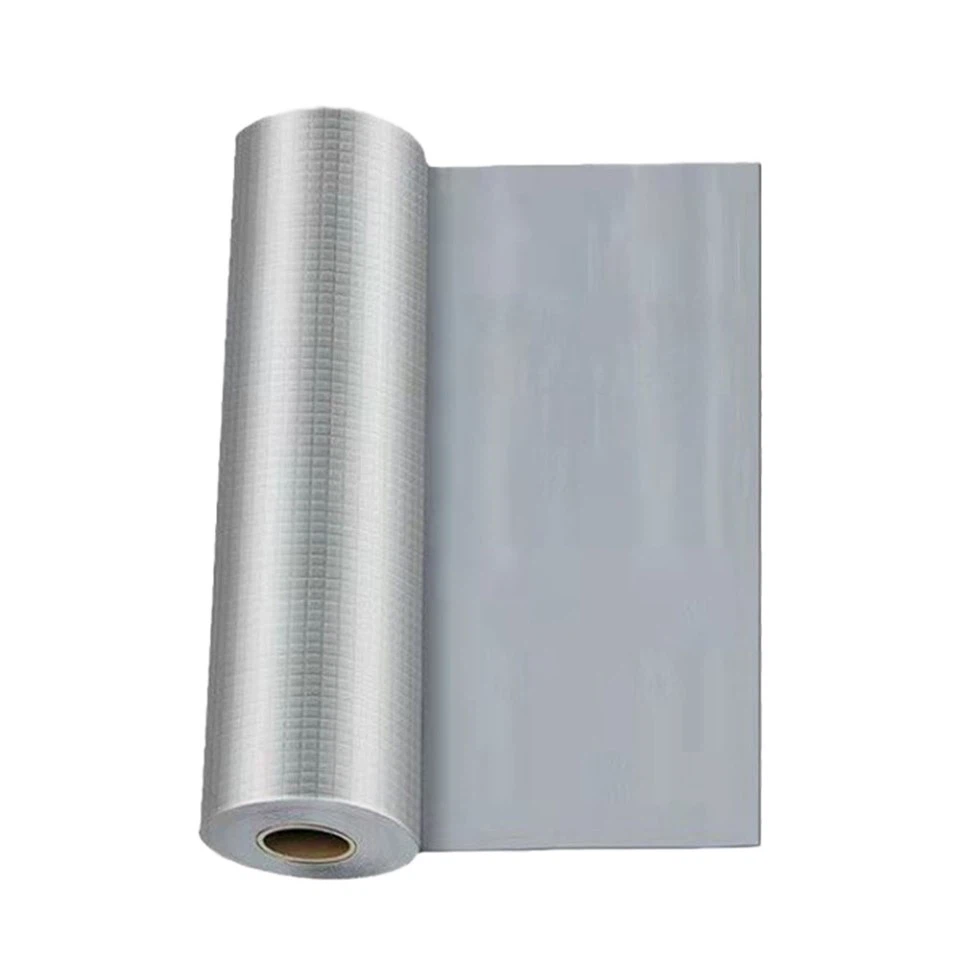
What is PVDF Waterproof Membrane?
First off, let's quickly go over what PVDF waterproof membrane is. PVDF stands for polyvinylidene fluoride. It's a high - performance thermoplastic fluoropolymer. PVDF waterproof membranes are made by processing this material into a flexible, durable sheet. These membranes are widely used in construction, roofing, and other waterproofing applications because of their unique properties.
The Waterproof Performance of PVDF Waterproof Membrane
Excellent Water Resistance
One of the most significant features of PVDF waterproof membranes is their outstanding water resistance. The molecular structure of PVDF is highly stable. The strong carbon - fluorine bonds in the polymer chain make it extremely difficult for water molecules to penetrate. This means that when you install a PVDF waterproof membrane, you can be pretty confident that water won't seep through.
In a roofing application, for example, heavy rain, snow, or even long - term exposure to high humidity won't pose a threat to the integrity of the waterproofing. The membrane acts as a reliable barrier, keeping the interior of the building dry and protected from water damage.
Resistance to Water Vapor Transmission
Not only does PVDF resist liquid water, but it also has low water vapor transmission rates. Water vapor can be just as damaging as liquid water over time. It can cause mold growth, rot, and structural damage to buildings. PVDF membranes effectively reduce the passage of water vapor, helping to maintain a dry and healthy indoor environment.
Durability in Harsh Water Conditions
PVDF waterproof membranes can withstand harsh water - related conditions. They are resistant to chemical - laden water, such as that found in industrial settings or areas with high levels of pollutants in the water supply. They also hold up well against saltwater, making them suitable for coastal construction projects. The membrane won't degrade or lose its waterproofing capabilities when exposed to these challenging water environments.
Comparing PVDF with Other Waterproof Membranes
Let's compare PVDF waterproof membranes with some other common types of waterproof membranes in the market.
Against Grey Adhesive Aluminum Foil Butyl Waterproof Membrane
The Grey Adhesive Aluminum Foil Butyl Waterproof Membrane is another popular choice for waterproofing. While it has good adhesion and some level of water resistance, PVDF membranes generally offer better long - term performance. Butyl membranes may be more prone to degradation over time, especially when exposed to UV rays and extreme temperatures. PVDF, on the other hand, has excellent UV resistance and can maintain its waterproofing properties for a much longer period.
Compared to Aluminum Foil Butyl Waterproof Membrane
The Aluminum Foil Butyl Waterproof Membrane is known for its ease of installation and relatively good waterproofing in normal conditions. However, in more demanding environments, such as areas with high wind and heavy rainfall, PVDF membranes are more reliable. The flexibility and strength of PVDF allow it to better withstand mechanical stress without losing its waterproofing ability.
In Comparison to Anti Aging Coating Waterproof Membrane
The Anti Aging Coating Waterproof Membrane offers protection against aging, but PVDF membranes combine anti - aging properties with superior waterproofing. The coating on anti - aging membranes may wear off over time, reducing their effectiveness. PVDF membranes, with their inherent stability, continue to provide consistent waterproofing throughout their lifespan.
Factors Affecting the Waterproof Performance of PVDF Waterproof Membrane
Installation Quality
No matter how good the membrane is, proper installation is crucial. If the PVDF waterproof membrane is not installed correctly, there may be gaps, overlaps, or improper sealing, which can compromise its waterproof performance. It's essential to follow the manufacturer's installation guidelines carefully.
Environmental Conditions
Extreme temperatures, UV exposure, and mechanical stress can all affect the performance of the membrane over time. While PVDF is highly resistant to these factors, prolonged exposure to extremely harsh conditions may cause some minor degradation. However, compared to other materials, PVDF still maintains its waterproofing capabilities much better.
Applications of PVDF Waterproof Membrane
PVDF waterproof membranes have a wide range of applications. In addition to roofing, they are used in basement waterproofing. Basements are particularly vulnerable to water seepage, and a PVDF membrane can provide a long - lasting solution.
They are also used in water treatment facilities, where they need to resist the corrosive effects of chemicals in the water. In the automotive industry, PVDF membranes can be used to waterproof electrical components, protecting them from water damage.
Conclusion
So, to sum it up, PVDF waterproof membranes offer excellent waterproof performance. Their resistance to water penetration, low water vapor transmission, and durability in harsh water conditions make them a top choice for many waterproofing applications. Whether you're building a new home, a commercial building, or working on an industrial project, PVDF waterproof membranes can provide reliable and long - term waterproofing.
If you're interested in learning more about our PVDF waterproof membranes or are considering a purchase, don't hesitate to reach out. We'd be more than happy to discuss your specific needs and help you find the best solution for your waterproofing project. Let's work together to keep your structures dry and protected!
References
- "Polyvinylidene Fluoride (PVDF): Properties and Applications" - Polymer Science Journal
- "Comparison of Different Waterproof Membranes in Construction" - Construction Materials Research Magazine