




Are construction sealant strips compatible with other building materials?
 Jan 22, 2026|
 As a supplier of Construction Sealant Strips, I often get asked about their compatibility with other building materials. This is a crucial question because the effectiveness of a construction project largely depends on how well different materials work together. In this blog, I'll delve into the compatibility of Construction Sealant Strips with various building materials, exploring the science behind it and sharing practical insights.
Understanding Construction Sealant Strips
Before we discuss compatibility, let's briefly understand what Construction Sealant Strips are. These strips are typically made of a flexible and durable material, such as butyl rubber. They are designed to provide a seal between two surfaces, preventing the ingress of water, air, dust, and other contaminants. Construction Sealant Strips are widely used in construction projects, including windows, doors, roofing, and insulation. You can find more information about our Construction Sealant Strip on our website.
Compatibility with Glass
One of the most common applications of Construction Sealant Strips is in insulating glass units. Glass is a smooth and non-porous material, and it requires a sealant that can adhere well to its surface. Our Insulating Glass Sealant Strip is specifically designed for this purpose. It has excellent adhesion to glass, forming a tight and durable seal that helps to maintain the insulating properties of the glass unit. The flexibility of the sealant strip allows it to accommodate thermal expansion and contraction of the glass, preventing leaks and damage.
When installing the sealant strip on glass, it's important to ensure that the surface is clean and dry. Any dirt, grease, or moisture on the glass can reduce the adhesion of the sealant strip. You can use a glass cleaner and a lint-free cloth to clean the glass surface before applying the sealant strip.
Compatibility with Metals
Metals are another common building material used in construction. Construction Sealant Strips can be used to seal joints between metal components, such as aluminum frames or steel roofing panels. The compatibility of the sealant strip with metals depends on several factors, including the type of metal, the surface finish, and the presence of any coatings or treatments.
In general, butyl rubber sealant strips have good adhesion to most metals. They can form a strong bond with aluminum, steel, and copper, providing a reliable seal against water and air infiltration. However, it's important to note that some metals may require special surface preparation to ensure optimal adhesion. For example, galvanized steel may have a zinc coating that needs to be cleaned or etched before applying the sealant strip.
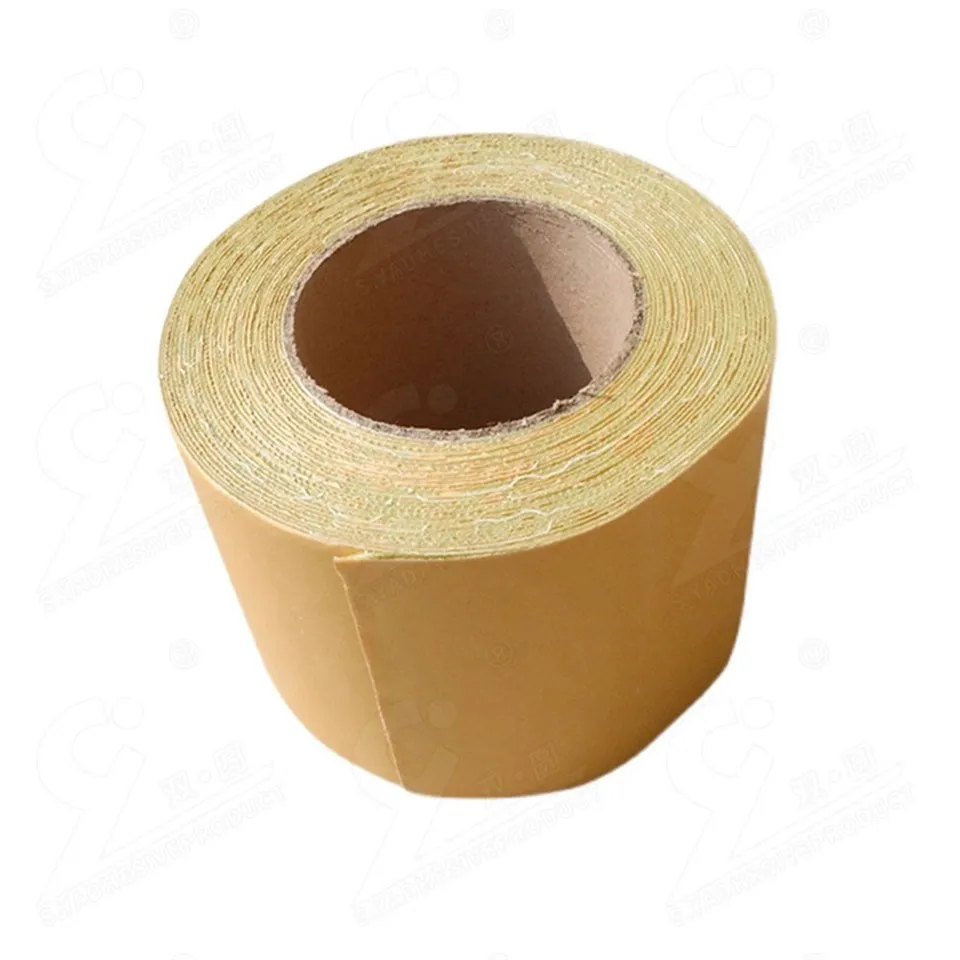
Our Yellow Adhesive Double Sided Overlap Tape is a popular choice for sealing metal joints. It has a strong adhesive that can bond to a variety of metal surfaces, providing a waterproof and airtight seal. The yellow color of the tape makes it easy to identify and ensures consistent application.
Compatibility with Wood
Wood is a natural and versatile building material, but it can be vulnerable to moisture damage. Construction Sealant Strips can be used to seal joints and gaps in wooden structures, protecting them from water infiltration and extending their lifespan.
When using sealant strips with wood, it's important to consider the type of wood and its moisture content. Some woods, such as cedar and redwood, contain natural oils that can affect the adhesion of the sealant strip. In these cases, it may be necessary to sand the wood surface to remove the oils before applying the sealant strip.
Our sealant strips have been tested and proven to be compatible with a wide range of wood types. They can adhere well to both rough and smooth wood surfaces, providing a long-lasting seal. However, it's always a good idea to perform a small test patch before applying the sealant strip to a large area to ensure compatibility.
Compatibility with Plastics
Plastics are increasingly being used in construction, especially in applications where lightweight and durable materials are required. Construction Sealant Strips can be used to seal joints and seams in plastic components, such as PVC pipes, siding, and window frames.
The compatibility of the sealant strip with plastics depends on the type of plastic and its chemical composition. Some plastics, such as PVC and polycarbonate, have a smooth surface that may require a special adhesive to ensure good adhesion. Our sealant strips are formulated to be compatible with a variety of plastics, but it's important to check the product specifications to ensure that they are suitable for your specific application.
Factors Affecting Compatibility
In addition to the type of building material, there are several other factors that can affect the compatibility of Construction Sealant Strips. These include:

- Temperature: The temperature at which the sealant strip is applied and used can have a significant impact on its performance. Most sealant strips have a recommended temperature range for application and use. Applying the sealant strip outside of this range can affect its adhesion and flexibility.
- Humidity: Humidity can also affect the adhesion of the sealant strip. High humidity levels can cause the sealant to absorb moisture, which can reduce its adhesion and lead to premature failure. It's important to apply the sealant strip in a dry environment and allow it to cure properly before exposing it to moisture.
- Chemical Exposure: Exposure to chemicals, such as solvents, acids, and alkalis, can damage the sealant strip and reduce its effectiveness. It's important to avoid exposing the sealant strip to chemicals that are not compatible with its material.
Conclusion
In conclusion, Construction Sealant Strips are generally compatible with a wide range of building materials, including glass, metals, wood, and plastics. However, it's important to consider the specific properties of the building material and the application conditions to ensure optimal compatibility. By choosing the right sealant strip and following the manufacturer's instructions for installation and use, you can ensure a reliable and long-lasting seal for your construction project.
If you have any questions about the compatibility of our Construction Sealant Strips with your building materials or need help selecting the right product for your project, please don't hesitate to contact us. We have a team of experts who can provide you with the information and support you need. We look forward to working with you to ensure the success of your construction project.
References
- ASTM International. (2023). Standard Test Methods for Adhesion-in-Peel of Pressure-Sensitive Tape to Rigid Substrates.
- Construction Materials Research Institute. (2022). Compatibility of Sealants with Building Materials.
- Sealant Manufacturers Association. (2023). Guide to Sealant Selection and Application.