




What is the difference between a regular sealing strip and a sandwich cover sealing strip?
 Dec 08, 2025|
 Hey there! As a supplier of sandwich cover sealing strips, I often get asked about the difference between regular sealing strips and sandwich cover sealing strips. So, I thought I'd take a few minutes to break it down for you.
Let's start with the basics. Sealing strips are used in a whole bunch of applications. They're like the unsung heroes of the construction and manufacturing worlds. They prevent things like air, water, dust, and noise from getting through gaps. You can find them in windows, doors, cars, and even industrial equipment.
Regular Sealing Strips
Regular sealing strips are pretty common. You can pick them up at pretty much any hardware store. They come in different shapes and sizes, depending on what you need them for.
Material
Most regular sealing strips are made from rubber, silicone, or PVC. Rubber strips are flexible and can handle a fair amount of wear and tear. They're a good choice for general-purpose sealing, like around doors and windows. Silicone strips are great because they can withstand high temperatures. So, you'll often find them in places where there's a lot of heat, like ovens or industrial machinery. PVC strips are cheap and easy to work with. They're used for things like weatherstripping in homes.
Design
The design of regular sealing strips is usually simple. They're often just a single piece of material in a basic shape, like a U-channel or a round tube. They're meant to fit into a groove or against a surface and create a seal by pressing against it.
Applications
Regular sealing strips are used in many everyday applications. As I mentioned, they're used for weatherstripping in homes to keep the cold air out and the warm air in. They're also used in cars to seal the doors and windows, reducing noise and preventing water from getting in.
Sandwich Cover Sealing Strips
Now, let's talk about sandwich cover sealing strips. These are a bit different from regular sealing strips, and they're designed for specific applications.
Material
Sandwich cover sealing strips are often made from multiple layers, which is where the "sandwich" part comes in. The outer layers are usually made from a tough and durable material, like aluminum or stainless steel. The middle layer can be made from a soft, compressible material, like foam or rubber. This combination of materials gives the sealing strip its unique properties.
Design
The design of sandwich cover sealing strips is more complex than regular sealing strips. They're often designed to fit over the edges of panels or sheets, like in a sandwich panel construction. The outer layers provide protection and strength, while the middle layer creates a tight seal. The shape of the sealing strip can vary, but it's usually designed to match the shape of the panel it's going to be used with.
Applications
Sandwich cover sealing strips are mainly used in the construction of sandwich panels. These panels are used in buildings for things like walls, roofs, and floors. The sealing strips help to prevent air and water leakage between the panels, improving the energy efficiency and durability of the building. They're also used in the transportation industry, for sealing containers and trailers.
Key Differences
Durability
One of the biggest differences between regular sealing strips and sandwich cover sealing strips is durability. Sandwich cover sealing strips are designed to last longer. The outer layers of metal protect the middle layer from damage, making them more resistant to things like abrasion, corrosion, and UV radiation. Regular sealing strips, on the other hand, are more likely to wear out over time, especially if they're exposed to harsh conditions.
Sealing Performance
Sandwich cover sealing strips also offer better sealing performance. The combination of the tough outer layers and the soft middle layer allows for a more effective seal. The middle layer can compress to fill in any gaps, while the outer layers keep it in place. Regular sealing strips may not be able to provide as tight of a seal, especially if the surface they're sealing against is uneven.
Installation
Installing sandwich cover sealing strips can be a bit more complicated than regular sealing strips. Because they're designed to fit over panels, they need to be cut to the right size and shape. The outer layers may also need to be attached to the panel using screws or other fasteners. Regular sealing strips are usually easier to install. They can often be just peeled and stuck onto a surface.
Advantages of Sandwich Cover Sealing Strips for Your Projects
If you're in the construction or manufacturing business, there are several reasons why you might want to consider using sandwich cover sealing strips.
Energy Efficiency
As I mentioned, sandwich cover sealing strips can help improve the energy efficiency of a building. By preventing air and water leakage between panels, they reduce the amount of energy needed to heat or cool the building. This can save you money in the long run.
Structural Integrity
The use of sandwich cover sealing strips can also improve the structural integrity of a building. The sealing strips help to hold the panels together, reducing the risk of them shifting or separating. This is especially important in areas where there are high winds or seismic activity.
Aesthetics
Sandwich cover sealing strips can also enhance the appearance of a building. They come in different colors and finishes, so you can choose one that matches the style of your building.
Our Products and Related Links
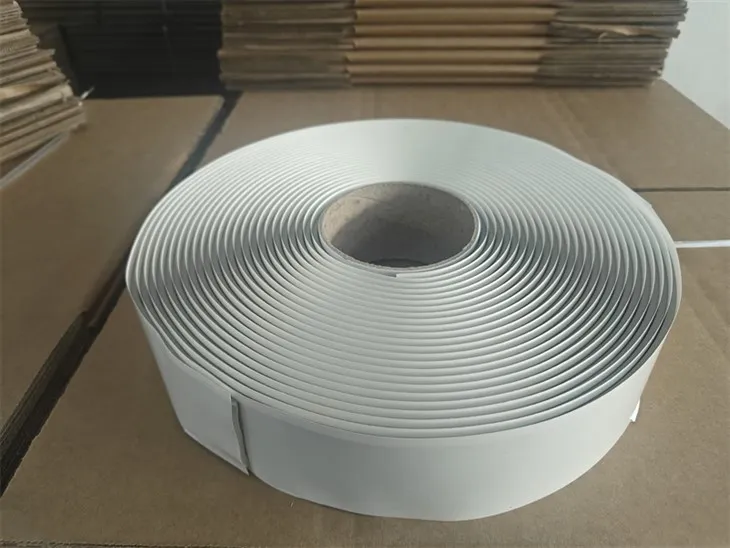
At our company, we offer a wide range of sandwich cover sealing strips to meet your needs. We also have some great related products, like the Double Sided Overlap Tape. This tape is perfect for creating a waterproof seal between panels. We have both Grey Adhesive Double Sided Overlap Tape and Black Adhesive Double Sided Overlap Tape, so you can choose the color that works best for your project.

Let's Talk!
If you're interested in learning more about our sandwich cover sealing strips or any of our other products, don't hesitate to reach out. We'd love to help you find the right solution for your project. Whether you're building a new home, a commercial building, or a transportation container, we have the products and expertise to get the job done right.
References
- Construction Sealing Handbook
- Handbook of Adhesives and Sealants
So, that's the lowdown on the difference between regular sealing strips and sandwich cover sealing strips. I hope this blog post has been helpful. If you have any questions, feel free to leave a comment below.