




How much weight can double sided butyl tape hold?
 May 15, 2025|
 Double-sided butyl tape is a versatile and widely used adhesive product in various industries, from construction to automotive. One of the most common questions I, as a double-sided butyl tape supplier, often get asked is, "How much weight can double-sided butyl tape hold?" In this blog post, I'll delve into the factors that influence the weight-bearing capacity of double-sided butyl tape and provide some insights based on my experience in the industry.
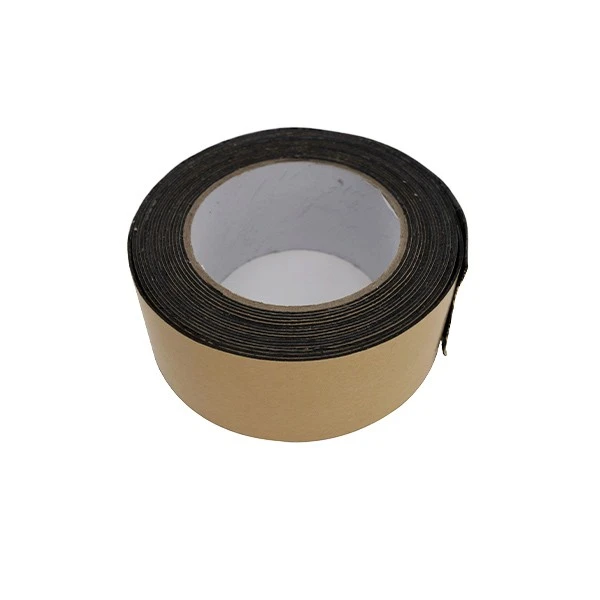
Understanding Double-Sided Butyl Tape
Before we discuss the weight-bearing capacity, let's briefly understand what double-sided butyl tape is. Butyl rubber is a synthetic rubber known for its excellent sealing properties, resistance to water, air, and weathering. Double-sided butyl tape has a layer of butyl rubber adhesive on both sides, which allows it to bond two surfaces together effectively.
This type of tape is commonly used in construction for sealing joints, attaching insulation materials, and waterproofing. It's also used in the automotive industry for bonding trim, emblems, and other components. The popularity of double-sided butyl tape stems from its ease of use, flexibility, and long-lasting adhesion.
Factors Affecting the Weight-Bearing Capacity
The weight that double-sided butyl tape can hold is not a fixed value and depends on several factors:
Surface Type
The type of surface the tape is applied to plays a crucial role. Smooth, clean, and non-porous surfaces like metal, glass, and plastic generally provide better adhesion than rough or porous surfaces such as wood or concrete. On smooth surfaces, the butyl adhesive can spread evenly and form a strong bond, allowing the tape to hold more weight.
For example, if you're using Construction Sealant Strip to bond two metal panels, the weight-bearing capacity will likely be higher compared to using the same tape on a rough wooden surface. This is because the adhesive can make better contact with the smooth metal surface, creating a stronger bond.
Surface Preparation
Proper surface preparation is essential for maximizing the weight-bearing capacity of double-sided butyl tape. The surfaces should be clean, dry, and free of dust, grease, and other contaminants. Any debris on the surface can prevent the adhesive from making full contact, reducing the bond strength.
Before applying the tape, it's recommended to clean the surfaces with a suitable solvent and allow them to dry completely. For example, if you're using Grey Adhesive Double Sided Overlap Tape to attach a sign to a wall, cleaning the wall surface thoroughly will ensure a stronger bond and increase the tape's ability to hold the weight of the sign.
Tape Thickness and Width
Thicker and wider tapes generally have a higher weight-bearing capacity. A thicker tape has more adhesive material, which can distribute the weight more evenly and provide a stronger bond. Similarly, a wider tape has a larger surface area of contact, increasing the overall bonding strength.
For instance, if you need to hold a heavy object, using a wider and thicker double-sided butyl tape like Black Adhesive Double Sided Overlap Tape will be more effective than a thinner and narrower tape.
Temperature
Temperature can significantly affect the performance of double-sided butyl tape. In general, butyl adhesive performs better at moderate temperatures. At low temperatures, the adhesive may become stiff and less flexible, reducing its ability to form a strong bond. On the other hand, at high temperatures, the adhesive may soften and lose some of its bonding strength.

Most double-sided butyl tapes are designed to perform optimally within a specific temperature range. It's important to consider the environmental temperature when using the tape and choose a product that is suitable for the intended application.
Application Pressure
The amount of pressure applied during the application of the tape also affects its weight-bearing capacity. Applying more pressure helps the adhesive to spread evenly and penetrate the surface, creating a stronger bond.
When applying the tape, it's recommended to use a roller or other suitable tool to apply firm pressure. This ensures that the tape adheres properly to the surfaces and maximizes its weight-bearing potential.
Testing the Weight-Bearing Capacity
To determine the weight-bearing capacity of double-sided butyl tape for a specific application, it's advisable to conduct tests under similar conditions. Here's a simple test you can perform:
- Prepare the Surfaces: Clean and dry the two surfaces that you want to bond.
- Apply the Tape: Cut a piece of double-sided butyl tape to the appropriate size and apply it to one of the surfaces. Make sure to apply firm pressure to ensure good adhesion.
- Attach the Surfaces: Press the second surface onto the tape and apply additional pressure to ensure a strong bond.
- Add Weight Gradually: Hang a weight from the bonded surfaces and gradually increase the weight until the bond fails. Record the maximum weight that the tape can hold.
It's important to note that the results of these tests may vary depending on the factors mentioned above. Therefore, it's recommended to conduct multiple tests and take an average to get a more accurate estimate.
Real-World Applications and Weight Limits
In real-world applications, the weight limits of double-sided butyl tape can vary widely. Here are some examples:
Construction
In construction, double-sided butyl tape is often used for sealing joints and attaching insulation materials. For example, when using Construction Sealant Strip to seal a joint between two panels, the tape is mainly designed to withstand the pressure of air and water infiltration rather than heavy weights. However, it can still hold a certain amount of weight, especially if the surfaces are properly prepared and the tape is applied correctly.
Automotive
In the automotive industry, double-sided butyl tape is used for bonding trim, emblems, and other components. The weight-bearing capacity required in these applications is relatively low compared to construction. For example, when using Grey Adhesive Double Sided Overlap Tape to attach a small emblem to a car body, the tape only needs to hold the weight of the emblem and withstand normal vibrations and environmental conditions.
Conclusion
The weight that double-sided butyl tape can hold depends on several factors, including surface type, surface preparation, tape thickness and width, temperature, and application pressure. By understanding these factors and conducting proper tests, you can determine the appropriate tape for your specific application and ensure a strong and reliable bond.
If you're looking for high-quality double-sided butyl tape for your project, we're here to help. Our products, including Construction Sealant Strip, Grey Adhesive Double Sided Overlap Tape, and Black Adhesive Double Sided Overlap Tape, are designed to provide excellent adhesion and performance. Contact us today to discuss your requirements and start a procurement negotiation.
References
- ASTM International. "Standard Test Methods for Peel Adhesion of Pressure-Sensitive Tape." ASTM D3330/D3330M - 20.
- Pressure Sensitive Tape Council. "Technical Information on Pressure-Sensitive Tapes." PSC-101.