




How does PVDF waterproof membrane compare with TPO waterproof membrane?
 Aug 13, 2025|
 Hey there! As a supplier of PVDF waterproof membranes, I've been getting a lot of questions lately about how PVDF waterproof membranes stack up against TPO waterproof membranes. So, I thought I'd break it down for you in this blog post.
What Are PVDF and TPO Waterproof Membranes?
Let's start with the basics. PVDF stands for polyvinylidene fluoride. PVDF waterproof membranes are made from this high - performance thermoplastic polymer. They're known for their excellent chemical resistance, UV resistance, and durability. These membranes are often used in a variety of construction projects, from commercial buildings to industrial facilities.
On the other hand, TPO stands for thermoplastic olefin. TPO waterproof membranes are a type of single - ply roofing membrane. They're made by blending polypropylene and ethylene - propylene rubber. TPO membranes are popular because they're energy - efficient, cost - effective, and relatively easy to install.
Performance Comparison
1. Weather Resistance
PVDF waterproof membranes are like the superheroes of weather resistance. They can withstand extreme UV radiation without significant degradation. This means that even after years of exposure to the sun, they'll still maintain their integrity and performance. The PVDF material has a high bond strength and can resist cracking, peeling, and fading.
TPO membranes also have good UV resistance, but they're not as tough as PVDF in the long run. Over time, especially in areas with intense sunlight, TPO membranes may start to show signs of wear and tear, such as discoloration and reduced flexibility.
2. Chemical Resistance
When it comes to chemical resistance, PVDF takes the lead. PVDF membranes can resist a wide range of chemicals, including acids, alkalis, and solvents. This makes them ideal for industrial settings where there may be exposure to various chemicals.
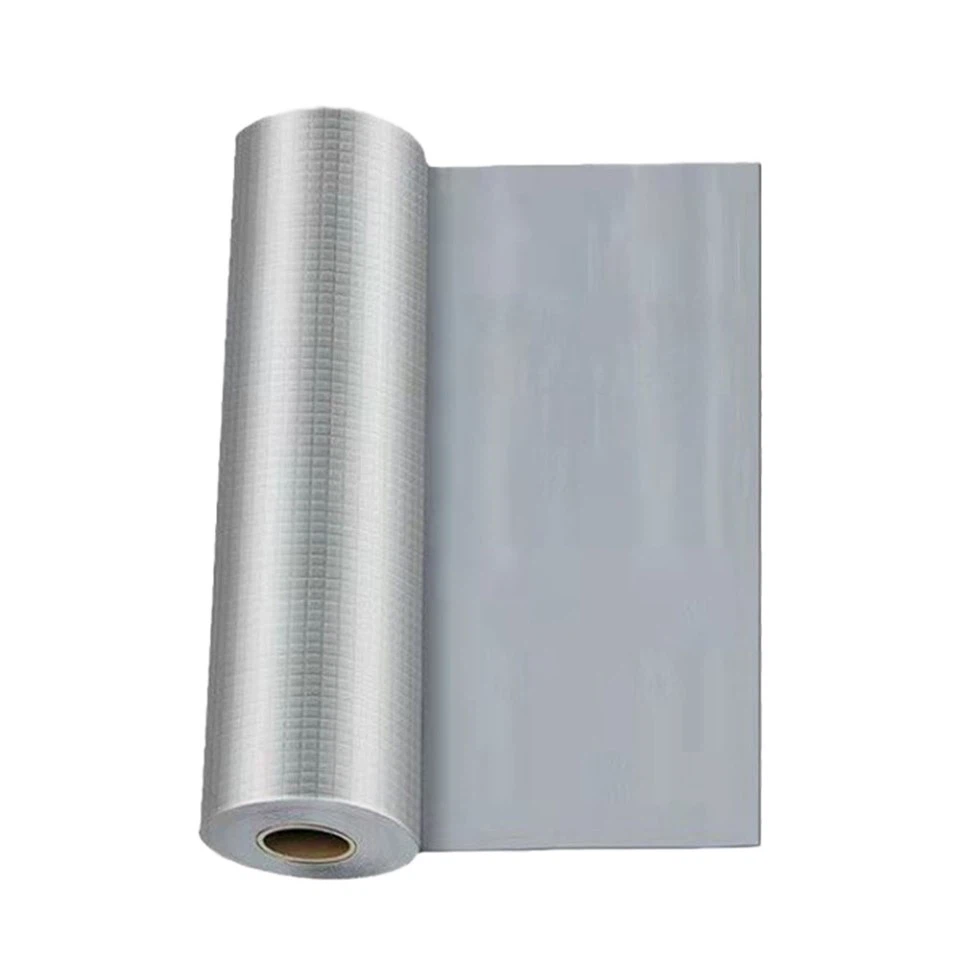

TPO membranes have moderate chemical resistance. They can handle some common chemicals, but they're not as robust as PVDF when it comes to more aggressive chemical environments.
3. Durability
PVDF membranes are extremely durable. They have a long service life, often lasting 20 - 30 years or more with proper installation and maintenance. Their high - strength material can withstand mechanical stress, such as foot traffic on rooftops and impacts from debris.
TPO membranes are also durable, but their lifespan is typically around 15 - 20 years. They're more prone to damage from sharp objects and extreme temperature fluctuations compared to PVDF membranes.
4. Energy Efficiency
TPO membranes are known for their energy - efficiency. They have a high solar reflectance, which means they can reflect a large portion of the sun's rays, reducing the amount of heat absorbed by the building. This can lead to lower energy costs for cooling.
PVDF membranes can also have good energy - saving properties, especially if they're coated with reflective materials. However, in general, TPO has a slight edge in this area.
Installation and Maintenance
1. Installation
Installing a PVDF waterproof membrane can be a bit more complex than installing a TPO membrane. PVDF membranes often require specialized installation techniques and equipment. They need to be welded or adhered properly to ensure a watertight seal. This usually means hiring experienced installers.
TPO membranes are relatively easy to install. They can be mechanically attached, fully adhered, or loose - laid with ballast. This makes them a popular choice for DIY projects or for contractors who want a quick and straightforward installation process.
2. Maintenance
PVDF membranes require minimal maintenance. They're resistant to dirt, mold, and mildew, so they don't need frequent cleaning. Periodic inspections to check for any signs of damage are usually sufficient.
TPO membranes also don't require a lot of maintenance, but they may need more frequent inspections. Over time, the seams of TPO membranes can become a weak point, and they may need to be re - sealed if there are any signs of leakage.
Cost Comparison
The cost of PVDF waterproof membranes is generally higher than that of TPO membranes. The raw materials for PVDF are more expensive, and the installation process is more complex, which adds to the overall cost.
TPO membranes are more budget - friendly. They offer a good balance between cost and performance, making them a popular choice for many construction projects, especially those with a tight budget.
Applications
PVDF waterproof membranes are commonly used in high - end commercial buildings, industrial facilities, and projects where long - term durability and chemical resistance are crucial. For example, they're often used in chemical plants, pharmaceutical factories, and luxury hotels. You can check out our Anti Aging Coating Waterproof Membrane for more details on our high - performance PVDF options.
TPO membranes are widely used in residential and commercial roofing projects. They're a great choice for low - slope roofs, warehouses, and office buildings. If you're interested in other waterproof membrane options, take a look at our White Adhesive Aluminum Foil Butyl Waterproof Membrane and Aluminum Foil Butyl Waterproof Membrane.
Conclusion
So, which one is better, PVDF or TPO waterproof membrane? Well, it depends on your specific needs. If you're looking for a long - lasting, chemical - resistant membrane for a high - end project, PVDF is the way to go. But if you're on a budget and need a relatively easy - to - install and energy - efficient option for a standard roofing project, TPO might be the better choice.
If you're still not sure which waterproof membrane is right for your project, or if you're interested in purchasing PVDF waterproof membranes, feel free to reach out. We're here to help you make the best decision and provide you with high - quality products.
References
- "Roofing Membrane Materials: A Comprehensive Guide." Construction Materials Journal.
- "Comparative Study of PVDF and TPO Waterproof Membranes." Building Science Research Institute.